
The Fire Code for Commercial Buildings in Orange County California
TLDR: The fire code for commercial buildings in Orange County California, sets strict requirements to protect occupants, property, and business operations. This blog explains what property owners and managers must know to stay compliant and avoid costly violations.
- Learn how the fire code for commercial buildings is based on the California Fire Code and local OCFA enforcement
- Understand key commercial building fire code requirements like exits, sprinklers, extinguishers, and emergency lighting
- Discover the fire alarm code for commercial buildings and NFPA 72 testing and inspection rules
- See who enforces the fire code for commercial building standards and when permits or plan reviews are required
- Find out how regular inspections and maintenance help prevent fines, shutdowns, and safety risks
When you own or manage a commercial property in Orange County, staying compliant with local fire codes isn’t just about avoiding fines. It’s about protecting lives, property, and business continuity. Understanding the fire code for commercial buildings is critical to keeping your building safe and legally operational.
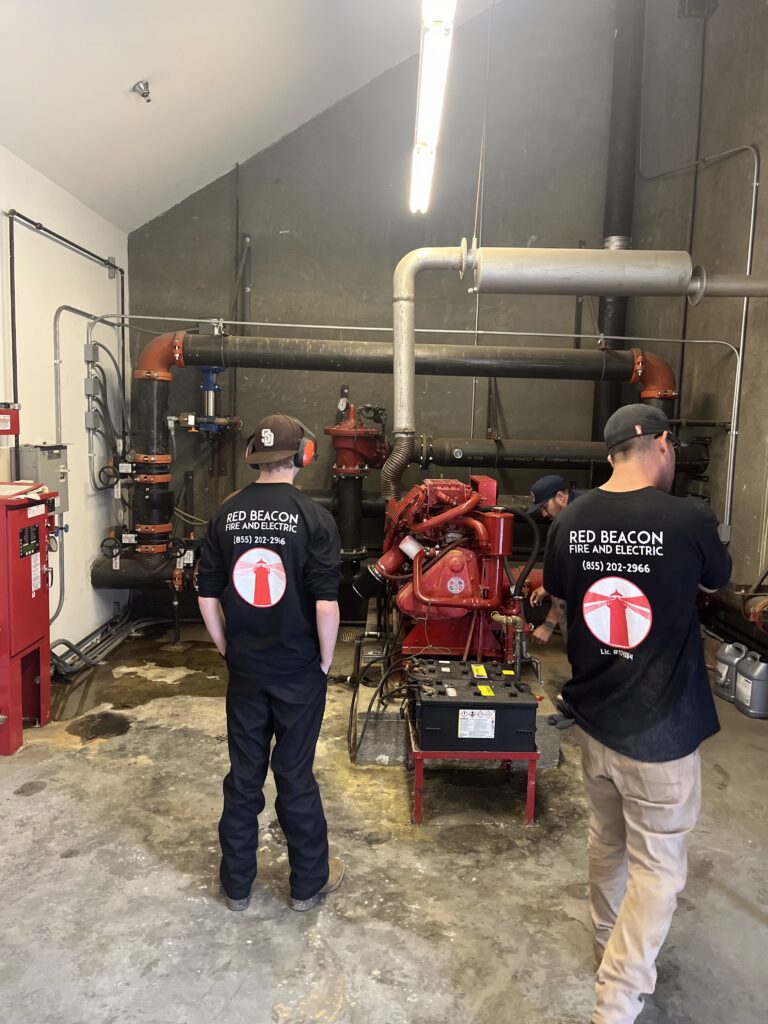
Understanding the Fire Code in Orange County
The fire code for commercial buildings in Orange County is based on the California Fire Code (CFC), which itself aligns with the International Fire Code (IFC). Local fire authorities, such as the Orange County Fire Authority (OCFA), may adopt additional amendments or requirements based on regional risks, such as wildfires or earthquakes.
The fire code for commercial buildings in Orange County, California, applies to all types of commercial properties, including office buildings, warehouses, retail stores, restaurants, and industrial spaces. It covers everything from exit routes and sprinkler systems to fire alarms and storage of hazardous materials.
Key Elements of Commercial Building Fire Code
Several critical systems must meet the commercial building fire code:
- Fire Suppression Systems: Buildings over a certain size or with specific risk factors must have automatic sprinkler systems.
- Means of Egress: There must be clear, well-lit exits that are accessible in case of emergency.
- Emergency Lighting and Exit Signs: These must remain operational during power outages and be regularly tested.
- Fire Extinguishers: Proper types, quantities, and placements of fire extinguishers are required throughout the building.
- Fire Department Access: Fire lanes and access roads must be maintained for emergency vehicles.
Fire Alarm Requirements for Commercial Buildings
The fire alarm code for commercial buildings is a critical part of compliance. A working, properly maintained fire alarm system can save lives and property. The system must be installed according to NFPA 72 and state and local regulations.
Key elements of the fire alarm commercial building code include:
- Audible and visual alarms that meet decibel and visibility standards.
- Manual pull stations near exit doors.
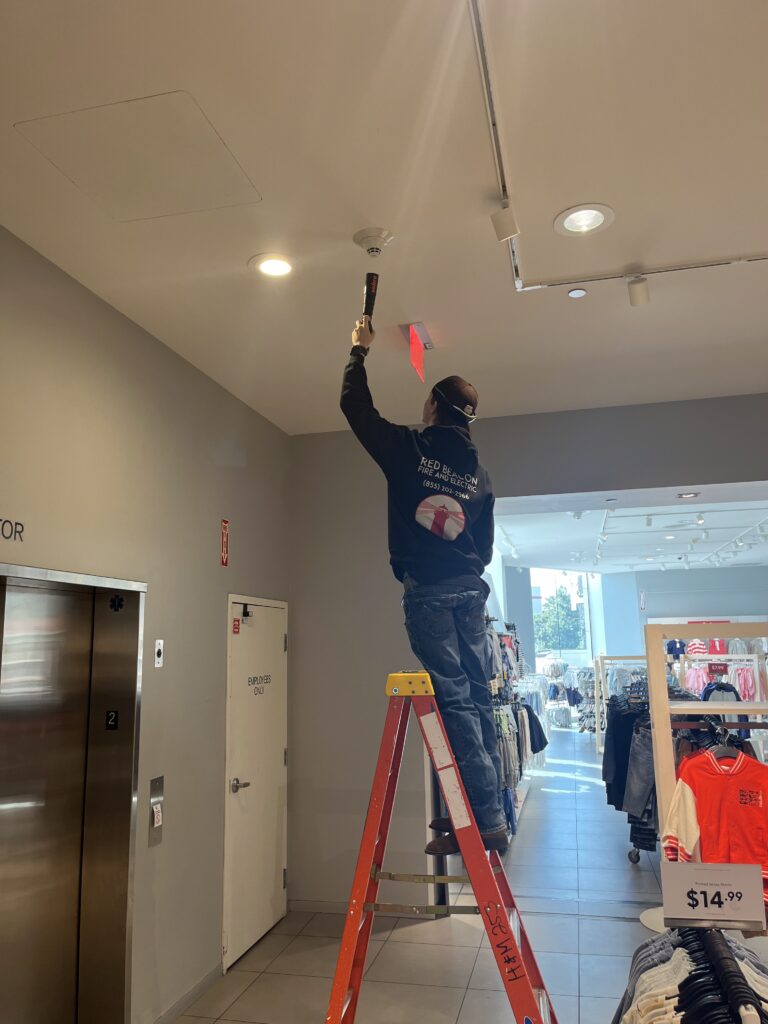
- Automatic detectors (smoke, heat, or flame) in strategic locations.
- Monitoring services that alert emergency personnel even when the building is empty.
- Backup power systems to keep alarms operational during outages.
Fire alarm systems must be inspected and tested annually by licensed professionals to stay in compliance.
Who Enforces the Code?
In Orange County, enforcement is handled by the Orange County Fire Authority (OCFA) or local municipal fire departments. They conduct plan reviews, issue permits, perform inspections, and respond to complaints.
Any new construction, renovation, or change in occupancy requires approval to ensure the fire code commercial building standards are met. Failing to comply can result in fines, forced closures, and liability in the event of a fire.
Staying Compliant
If you’re unsure whether your property complies with the commercial building fire code, it’s a good idea to request a professional inspection. You can find many reputable fire protection companies in California who offer consultation, installation, maintenance, and monitoring services.
When looking for protection companies near you, choose a licensed and experienced provider who understands local regulations and can handle everything from fire alarm installation to emergency lighting and extinguisher placement.
Contact us for about installation.
FAQ: Fire Code Compliance in Orange County Commercial Buildings
Yes. Most commercial buildings are required to have fire alarm systems that comply with the fire alarm code for commercial buildings. The specifics depend on occupancy type, size, and use.
According to the fire alarm commercial building code, fire alarm systems should be tested annually by a licensed technician. Some systems, like those with smoke detectors, may require more frequent maintenance.
The Orange County Fire Authority (OCFA) and local city fire departments are responsible for code enforcement, including inspections, permits, and code compliance reviews.